

What is chrysin?
The eye area is often where fatigue shows first.
Dark circles. Puffiness. Uneven tone. A shadowed look that makes the skin appear more tired than it feels.
Because the skin around the eyes is thinner and more delicate, it needs a different kind of support. Strong exfoliation or aggressive actives are not always the best answer, especially for sensitive or barrier-compromised skin.
Chrysin is one ingredient used in eye-area skincare to support the look of brighter, more rested skin. It is not a peel, a scrub, or a harsh brightening active. It works more quietly, helping support the appearance of uneven tone and tired-looking eyes over time.
What is chrysin?
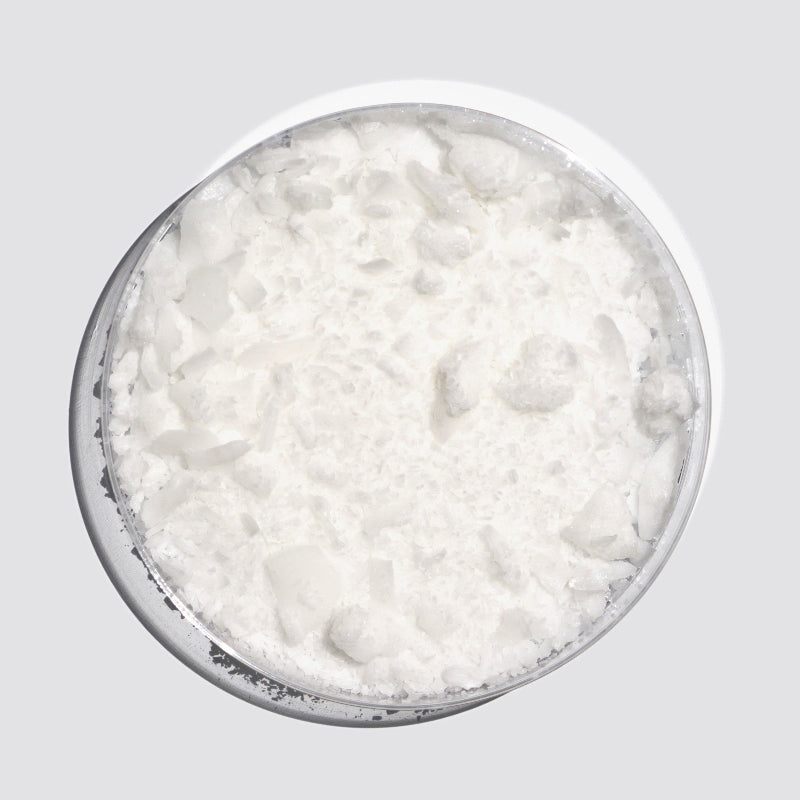
Chrysin is a naturally occurring flavonoid, a type of plant-derived compound often associated with antioxidant activity. In cosmetic ingredient databases, chrysin is listed as a skin-conditioning ingredient.
In skincare, chrysin is most often used in formulas designed for the eye area, especially products that target the appearance of dark circles, tired-looking skin, and uneven under-eye tone.
It is usually not used alone. Chrysin is often part of a broader eye-treatment system that may also include peptides, humectants, and ingredients that support hydration, comfort, and smoother-looking skin.
What does chrysin do for the skin?
Chrysin is used to help support the appearance of a brighter, more even-looking eye area.
In a well-designed formula, it may help improve the look of:
Dark circles
Tired-looking eyes
Uneven under-eye tone
Dullness around the eye area
Skin that looks stressed or depleted
Its role is cosmetic. It helps support the look of the skin. It does not change facial structure, remove natural shadows, or treat medical causes of dark circles.
That distinction matters because under-eye darkness can come from more than one cause.
Why is chrysin used in eye creams?
Chrysin is used in eye creams because dark circles are not always only about pigment.
The look of under-eye darkness can be influenced by several factors, including pigmentation, visible vascular tone, skin thinness, shadows, puffiness, and natural anatomy. A review on infraorbital dark circles notes that under-eye darkness can have multiple causes, which is why one ingredient cannot address every type of dark circle on its own.
Chrysin is often used in eye-area formulas because it fits into a more targeted approach to tired-looking eyes. Rather than simply exfoliating or brightening the skin surface, it is used as part of a system designed to support a clearer, more rested-looking under-eye area.
For sensitive skin, that kind of approach can be especially useful. The eye area often needs support, not intensity.
Can chrysin help with dark circles?
Chrysin can help support the appearance of dark circles, especially when they are related to uneven tone or a tired-looking under-eye appearance.
That said, dark circles are complex. If the darkness is mainly caused by facial structure, hollowing, genetics, deep shadowing, or visible vessels beneath thin skin, skincare may only offer subtle improvement.
This is why chrysin is best understood as an eye-area support ingredient, not a complete dark circle solution.
In a well-formulated eye treatment, chrysin can be paired with peptides, hydration-supportive ingredients, and barrier-supportive ingredients to help the eye area look smoother, brighter, and better rested over time.
Is chrysin good for sensitive skin?
Chrysin can be suitable for sensitive skin when it is used in a well-balanced formula.
It is not an exfoliating acid or a strong resurfacing ingredient. This makes it a useful option in eye products where the goal is visible improvement without unnecessary irritation.
That said, the eye area is delicate. Even a good ingredient can feel uncomfortable if the formula is too active, too fragranced, too close to the lash line, or not well suited to the skin.
For sensitive or barrier-compromised skin, chrysin works best in formulas that also support hydration, softness, and barrier comfort.
Is chrysin a brightening ingredient?
Chrysin can be considered a tone-supportive ingredient, especially in the eye area.
It is not a classic brightening ingredient in the same way as vitamin C derivatives, arbutin, niacinamide, or tranexamic acid. It has a more specific use case. It is often included in formulas designed to improve the look of under-eye darkness and tired-looking skin.
A simple way to think about it:
Arbutin supports uneven tone. Vitamin C derivatives support brightness and antioxidant care. Chrysin supports the look of a clearer, more rested eye area.
They can all fit into a brightening routine, but they do not play the same role.
Does chrysin exfoliate the skin?
No. Chrysin is not an exfoliant.
It does not remove dead skin cells like alpha hydroxy acids, beta hydroxy acids, or scrubs. It does not peel or resurface the skin.
This is part of why it can be helpful in eye-area products. The skin around the eyes is thin and more easily irritated, so exfoliation is not always the best path to brightness.
Chrysin supports the appearance of the eye area without relying on that resurfacing effect.
What ingredients pair well with chrysin?
Chrysin works best in a complete eye-treatment formula.
Good companion ingredients can include:
Peptides, to support the look of firmness, smoothness, and tired-looking skin.
Hesperidin methyl chalcone, often used in eye-area formulas for the appearance of puffiness and under-eye darkness.
Panthenol and beta-glucan, to support comfort and hydration.
Glycerin and other humectants, to help maintain hydration.
Ceramides or barrier-supportive lipids, to support the delicate skin barrier around the eyes.
Niacinamide, to support barrier function and the appearance of uneven tone.
For sensitive skin, this kind of ingredient pairing matters. The eye area should not be treated like a place to stack harsh actives. It should be supported with ingredients that work together.
Can you use chrysin with peptides?
Yes. Chrysin is often paired with peptides in eye-area formulas.
This pairing makes sense because the under-eye area usually has more than one concern at once. There may be darkness, fine lines, puffiness, dryness, or a tired-looking texture.
Peptides help support smoother, firmer-looking skin. Chrysin supports the appearance of a brighter, more rested eye area. Together, they can help create a more complete eye treatment.
Can chrysin help with puffiness?
Chrysin is more commonly associated with the appearance of dark circles and tired-looking under-eyes than puffiness alone.
Puffiness can be influenced by fluid retention, lack of sleep, allergies, irritation, salt intake, anatomy, and other factors. A skincare product may help the area look more refreshed, but persistent puffiness can have causes beyond skincare.
For cosmetic eye care, chrysin is best paired with other ingredients that support the appearance of puffiness, smoothness, and comfort.
How often should you use chrysin?
Chrysin can generally be used regularly when included in a well-formulated eye product.
Most eye treatments are designed for once or twice daily use, depending on the formula. For sensitive skin, it is better to start slowly and apply a small amount.
The eye area does not need a heavy application. A thin layer is usually enough. More product does not mean better results, and too much product near the eyes can increase the chance of irritation.
Chrysin in a barrier-first eye routine
In a barrier-first routine, chrysin supports the eye area without adding unnecessary stress.
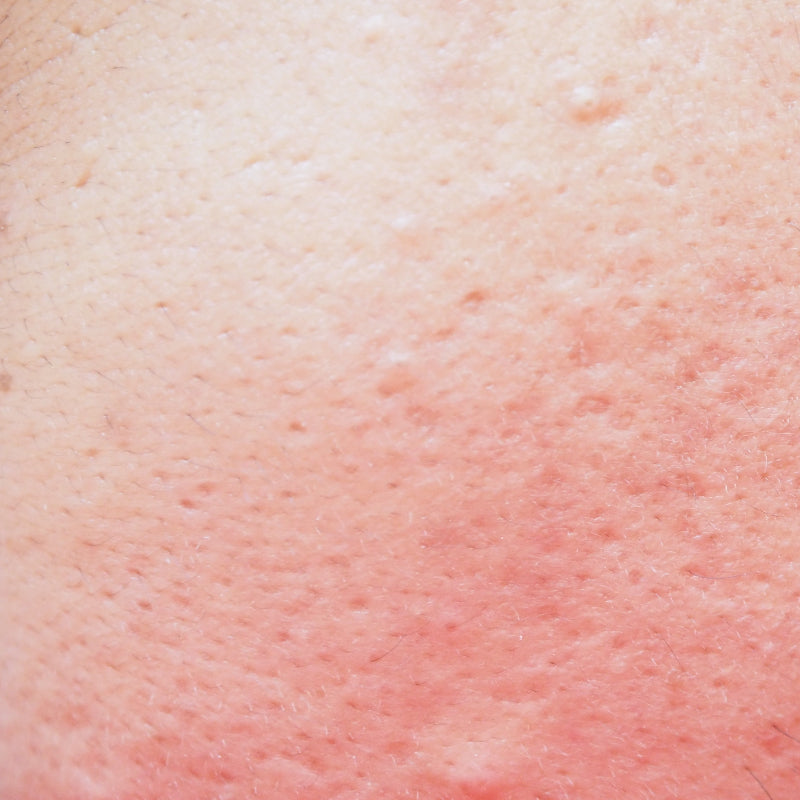
This matters because the skin around the eyes is already more delicate. When the barrier is compromised, the eye area can look more creased, dull, dry, or reactive. Strong actives may make it feel worse before it looks better.
Chrysin fits into a gentler treatment approach. It supports the appearance of brighter, more rested-looking eyes while allowing the rest of the formula to focus on hydration, comfort, and resilience.
For sensitive skin, that balance is important.
The barrier-first view
At TSOS, eye care is not about chasing an instant eraser.
The eye area is delicate, expressive, and structurally different from the rest of the face. It needs ingredients that respect that difference.
Chrysin fits into this approach because it supports the look of tired under-eyes without relying on harsh exfoliation or aggressive resurfacing. When paired with peptides, humectants, and barrier-supportive ingredients, it can help the eye area look smoother, brighter, and better conditioned over time.
The goal is not to force the skin. The goal is to support it.
The takeaway
Chrysin is a skin-conditioning flavonoid used in skincare to support the appearance of tired-looking eyes, dark circles, and uneven under-eye tone.
It is not an exfoliant, peel, or instant correction. It works best as part of a complete eye treatment that also supports hydration, smoothness, and barrier comfort.
For sensitive or barrier-compromised skin, chrysin offers a more measured approach to eye-area care: visible support without unnecessary intensity.
Reviewed by Connor Greig, P.Chem
Professional Chemist and Founder, TSOS Skincare
Sources
Sarkar R, Ranjan R, Garg S, Garg VK, Sonthalia S, Bansal S. Periorbital Hyperpigmentation: A Comprehensive Review. J Clin Aesthet Dermatol. 2016 Jan;9(1):49-55. PMID: 26962392; PMCID: PMC4756872.
Vrcek I, Ozgur O, Nakra T. Infraorbital Dark Circles: A Review of the Pathogenesis, Evaluation and Treatment. J Cutan Aesthet Surg. 2016 Apr-Jun;9(2):65-72. doi: 10.4103/0974-2077.184046. PMID: 27398005; PMCID: PMC4924417.
European Commission CosIng Database. Chrysin. Cosmetic ingredient function: skin conditioning.

Leave a comment
This site is protected by hCaptcha and the hCaptcha Privacy Policy and Terms of Service apply.