

What causes dull skin?
Dull skin is skin that looks tired, flat, uneven, or less radiant than usual.
It may look grey, ashy, lacklustre, rough, or less reflective of light. Sometimes dullness is temporary, appearing after poor sleep, dehydration, stress, or a disrupted routine. Other times, it can be connected to dryness, barrier disruption, uneven texture, pigmentation, or environmental stress.
Dull skin is not one single condition. It is usually a visible sign that the skin’s surface, hydration, or renewal process is not functioning as well as it could.
What Does Dull Skin Mean?
Healthy-looking skin reflects light more evenly.
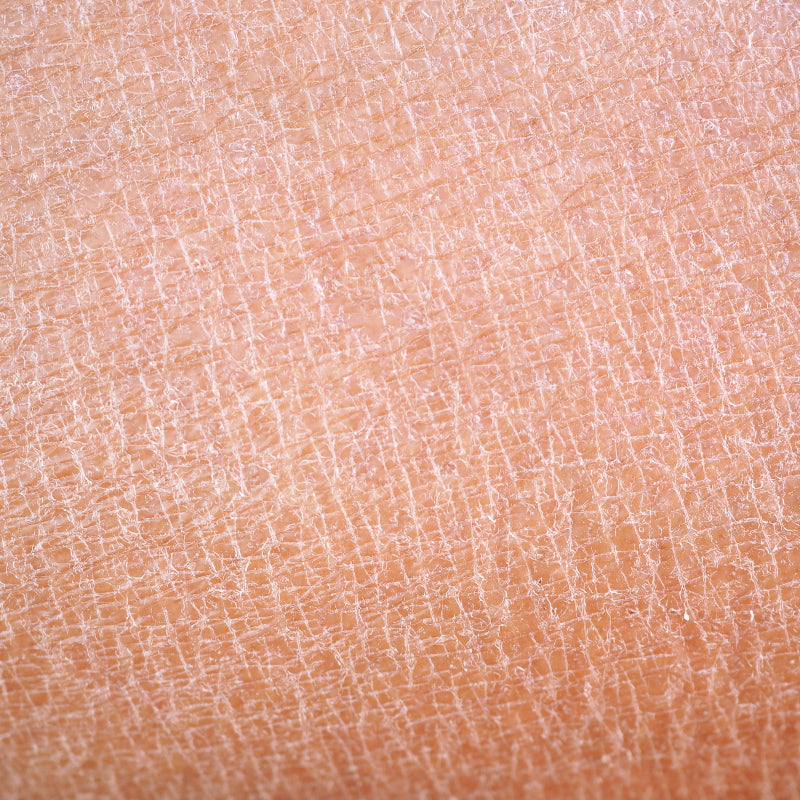
When the surface of the skin is smooth, hydrated, and supported, it tends to look more luminous. When the surface is dry, rough, flaky, uneven, or dehydrated, light scatters instead of reflecting evenly. This can make the skin look dull, tired, or less vibrant.
In other words, dullness often begins at the surface — but it can be influenced by what is happening deeper in the skin barrier.
Common Causes of Dull Skin
1. Dehydration
Dehydrated skin lacks water.
When the skin does not have enough water, it can look less plump, less smooth, and less reflective. Fine lines may appear more noticeable, and the skin may feel tight even if it is not visibly dry.
Dehydration can affect any skin type. Oily skin can be dehydrated, and dry skin can be both oil-deficient and water-deficient.
Hydrating ingredients, such as humectants, help attract and hold water in the skin, supporting a fresher and more supple appearance.
2. Dryness and Barrier Disruption
Dry skin lacks enough lipids to keep the barrier comfortable and supported.
The skin barrier helps reduce water loss and protect the skin from environmental stress. When the barrier is disrupted, moisture can escape more easily, leaving the skin feeling tight, rough, flaky, or reactive.
This roughness changes the way light reflects off the skin. Instead of looking smooth and luminous, the skin may appear flat, uneven, or dull.
A barrier-first routine helps restore comfort and support the skin’s ability to hold onto moisture.
3. Buildup of Dead Skin Cells
The outermost layer of the skin is made up of corneocytes, which are flattened skin cells that naturally shed over time through a process called desquamation.
When this shedding process slows or becomes uneven, dead skin cells can build up on the surface. This can make the skin feel rough and look less radiant.
Gentle exfoliation can help improve the look of dullness, but over-exfoliation can have the opposite effect. If the barrier becomes irritated or stripped, the skin may look duller, drier, and more reactive.
4. Uneven Texture
Texture has a major effect on radiance.
When the skin surface is smooth, light reflects more evenly. When the surface is rough, flaky, congested, or uneven, light scatters. This can make the skin look tired or lacklustre even when the skin is otherwise healthy.
Texture can be affected by dryness, dehydration, clogged pores, irritation, and changes in skin renewal.
5. Sun Exposure
Sun exposure can contribute to dullness over time.
Ultraviolet radiation can increase oxidative stress, contribute to collagen breakdown, worsen uneven tone, and affect the skin’s texture. These changes can make the skin look less bright, less even, and less smooth.
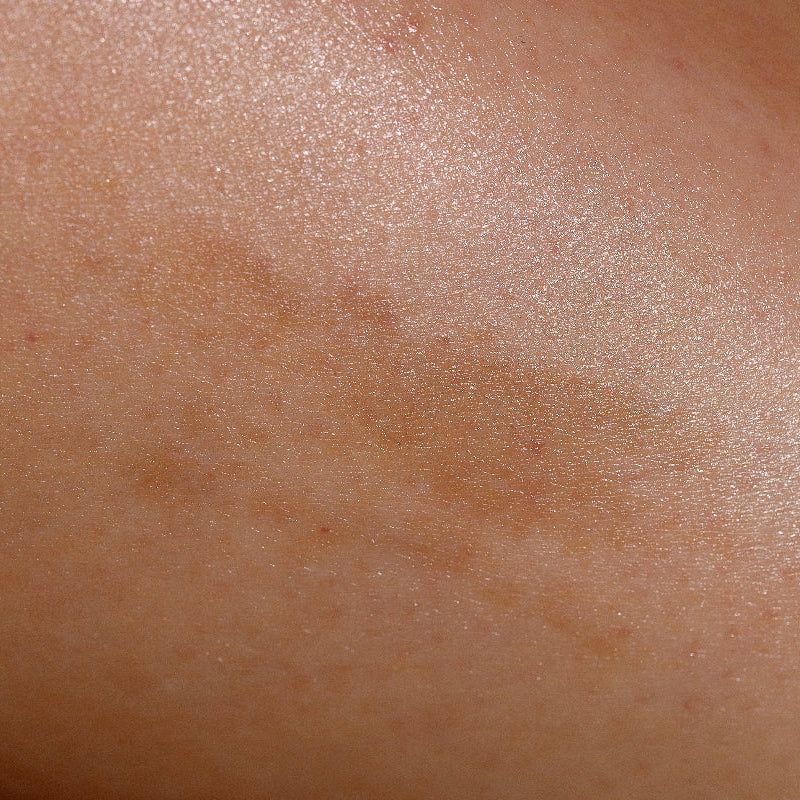
Sun exposure can also deepen the appearance of hyperpigmentation, which may make the complexion look more uneven or shadowed.
Daily sunscreen is one of the most important steps for keeping the skin looking clear, even, and resilient.
6. Oxidative Stress
Environmental stressors such as UV radiation, pollution, smoke, and stress can increase oxidative stress in the skin.
Oxidative stress occurs when free radicals overwhelm the skin’s natural defense systems. Over time, this can contribute to visible signs of skin aging, including roughness, uneven tone, loss of firmness, and dullness.
Antioxidant support, sunscreen, hydration, and barrier care can all help reduce the visible effects of environmental stress.
7. Irritation and Overuse of Actives
Too many strong products can make dullness worse.
Over-exfoliation, harsh cleansers, aggressive treatments, or using several active ingredients at once can disrupt the skin barrier. When the barrier is stressed, the skin may look red, dry, tight, flaky, or less luminous.
For sensitive or reactive skin, a calmer approach is often more effective. The skin tends to look brighter when it is hydrated, comfortable, and not constantly recovering from irritation.
Why Dull Skin Can Change Day to Day
Dullness can fluctuate.
Skin may look less radiant after poor sleep, travel, stress, dehydration, cold weather, sun exposure, or a disrupted routine. It may look brighter when it is well hydrated, moisturized, protected, and calm.
This is why dull skin should not always be treated as something that needs aggressive correction. Often, it needs support.
A Barrier-First Approach to Dull Skin
At TSOS™, we believe dullness should be approached by supporting the skin barrier first.
A thoughtful routine for dull skin should include:
- Daily broad-spectrum sunscreen
- Hydrating ingredients to improve skin plumpness
- Barrier-supportive moisturizers to reduce moisture loss
- Gentle exfoliation when appropriate
- Antioxidant support to help defend against environmental stress
- Avoiding unnecessary irritation or over-exfoliation
The goal is not to force the skin into brightness. The goal is to help skin look more hydrated, smooth, even, and resilient over time.
Dull Skin and Sensitive Skin
For sensitive skin, dullness can be especially frustrating because many brightening routines rely on strong acids, exfoliants, or aggressive actives.
But brighter-looking skin does not require a harsh routine.
When the barrier is supported, the skin surface can look smoother, softer, and more reflective. Hydration, moisture retention, gentle renewal, and protection from environmental stress can all help restore a healthier-looking glow.
The TSOS™ Philosophy
Dull skin is often a sign that the skin needs support: more hydration, a stronger barrier, gentler renewal, and better protection from daily stress.
That is why we approach dullness through a barrier-first philosophy. Skin that is hydrated, protected, and supported is better prepared to look smooth, luminous, and resilient.
Because resilient skin starts at the barrier.
Reviewed by Connor Greig, P.Chem
Professional Chemist and Founder, TSOS Skincare
Sources:
Elias, P. M. Stratum corneum defensive functions: An integrated view. Journal of Investigative Dermatology, 2005.
Verdier-Sévrain, S., & Bonté, F. Skin hydration: A review on its molecular mechanisms. Journal of Cosmetic Dermatology, 2007.
Rittié, L., & Fisher, G. J. Natural and sun-induced aging of human skin. Cold Spring Harbor Perspectives in Medicine, 2015.

Leave a comment
This site is protected by hCaptcha and the hCaptcha Privacy Policy and Terms of Service apply.