

What happens to my skin when I go on or off birth control?
Skin can change when your hormones change.
For some people, starting hormonal birth control leads to clearer, calmer-looking skin. For others, skin may feel more congested, oily, dry, sensitive, or unpredictable. And when you stop birth control, your skin may shift again as your body returns to its natural hormonal rhythm.
These changes can feel confusing, especially if your skincare routine has stayed the same.
Hormonal birth control can influence the skin because hormones help regulate oil production, inflammation, pigmentation, and the way skin behaves throughout the month. The result is different for everyone, and it can depend on the type of birth control, your skin history, and how sensitive your skin is to hormonal fluctuations.
Why birth control can affect your skin
Your skin has hormone receptors, including receptors that respond to androgens.
Androgens are hormones that can increase sebum, the oily substance produced by sebaceous glands. When sebum production increases, pores may become more prone to congestion, blackheads, whiteheads, and inflammatory breakouts.
Some forms of hormonal birth control can reduce the effect of androgens on the skin. This is why certain combined oral contraceptives are used as acne treatments. The American Academy of Dermatology notes that oral contraceptive pills have been found effective for treating blackheads, whiteheads, pimples, and acne nodules and cysts, and some are FDA-approved for acne treatment.
In Canada, Health Canada lists certain oral contraceptives as approved for moderate acne treatment.
What may happen when you start birth control?
When you start hormonal birth control, your skin may go through a transition period.
Some people notice fewer breakouts, less oiliness, and a more even-looking complexion over time. This is most commonly associated with combined oral contraceptives, which contain estrogen and progestin.
Combined oral contraceptives can help acne partly because they reduce androgen-driven oil production. A 2025 review describes combined oral contraceptives as effective for acne due to their anti-androgenic properties.
But not everyone responds the same way.
Depending on the formulation, some people may notice new breakouts, increased oiliness, or changes in texture. Progestin-only forms of contraception may not have the same acne-supportive effect as combined contraceptives, and some may be less helpful for acne-prone skin.
Why skin may improve on birth control
If your acne is influenced by androgen sensitivity, certain types of birth control may help by reducing the hormonal signals that contribute to excess oil.
This can lead to:
Fewer clogged pores
Less visible oiliness
Fewer hormonal breakouts
A calmer-looking complexion
Less fluctuation around the monthly cycle
This is why some people feel like their skin becomes more predictable on birth control.
The skin may not be “fixed” permanently. It may simply be responding to a more controlled hormonal environment.
Why skin may get worse on birth control
Some people experience the opposite.
Skin may become oilier, more congested, or more breakout-prone after starting a new hormonal contraceptive. This can depend on the type of progestin used, whether the contraceptive contains estrogen, and how your skin responds individually.
This does not mean you did anything wrong.
It means your skin may not respond well to that specific hormonal profile.
If breakouts become persistent, painful, or emotionally distressing, it is worth speaking with a healthcare professional or dermatologist. Birth control is a medical decision first, and skin is only one part of the conversation.
What may happen when you stop birth control?
When you stop hormonal birth control, your body begins shifting back toward its natural hormone pattern.
For some people, the skin stays stable. For others, oiliness and breakouts return. This can feel especially frustrating if birth control had been helping manage acne for years.
This is often called post-pill acne, although similar skin changes can happen after stopping or changing other hormonal contraceptives.
The reason is usually not that birth control “damaged” your skin. It is more that birth control may have been suppressing an underlying hormonal acne pattern. When that hormonal support is removed, the skin may become more responsive to its natural androgen activity again.
Why breakouts can happen after stopping birth control
After stopping birth control, sebum production may increase again, especially if your skin is androgen-sensitive.
This can lead to breakouts along the lower face, jawline, chin, cheeks, or wherever you are naturally acne-prone. Some people also notice more congestion, more visible oil, or a change in how quickly their skin becomes shiny.
The timing varies.
Some people notice changes within weeks. Others see skin changes a few months later as hormone patterns settle. If acne becomes severe, persistent, or begins to scar, it is best to speak with a dermatologist early.
Can birth control affect dry or sensitive skin?
Yes, indirectly.
Birth control is most often discussed in relation to acne and oil production, but hormonal shifts can also change how skin feels.
Some people experience skin that feels drier, more reactive, or more sensitive during hormonal transitions. This may be connected to changes in oil production, inflammation, barrier comfort, or the way the skin responds to products during periods of fluctuation.
If your skin feels more sensitive after starting or stopping birth control, it may help to simplify your routine for a short period.
That does not mean your skin is permanently sensitive.
It may simply be adjusting.
Can birth control affect pigmentation?
Hormonal changes can influence pigmentation in some people.
Melasma, a form of patchy facial pigmentation, is known to be influenced by hormonal factors, including pregnancy and hormonal contraceptives. If you are prone to pigmentation, daily broad-spectrum sunscreen becomes especially important.
This is another reason skin changes connected to birth control should be approached gently and realistically. Hormones can affect more than breakouts.
They can affect the overall behaviour of the skin.
What should you do if your skin changes?
Start with consistency.
When your hormones are changing, it can be tempting to overhaul your entire skincare routine. But changing everything at once can make it harder to tell what is helping and what is irritating your skin.
A better approach is to keep the routine steady and supportive.
Use a gentle cleanser
Support hydration
Protect the skin barrier
Wear sunscreen daily
Avoid suddenly adding multiple strong actives
Give your skin time to adjust
If breakouts are the main concern, ingredients such as benzoyl peroxide, salicylic acid, azelaic acid, retinoids, or prescription treatments may be discussed with a healthcare professional or dermatologist. Acne guidelines include both topical and oral options, including hormonal agents, depending on acne severity and individual suitability.
What not to do during hormonal skin changes
Try not to treat hormonal skin changes like a skin emergency.
More exfoliation is not always the answer. Stronger products are not always the answer. Constantly switching routines is rarely helpful for sensitive or barrier-disrupted skin.
When skin is changing, it needs structure.
A calm routine gives your skin a baseline while your body adjusts. From there, targeted treatments can be introduced more thoughtfully.
The TSOS™ approach
Birth control can affect skin because hormones affect oil production, acne patterns, sensitivity, and pigmentation.
Starting birth control may make skin clearer for some people. Stopping birth control may cause breakouts or oiliness to return for others. Some people notice dryness, sensitivity, or unpredictable changes during the transition.
The right response is not panic.
It is support.
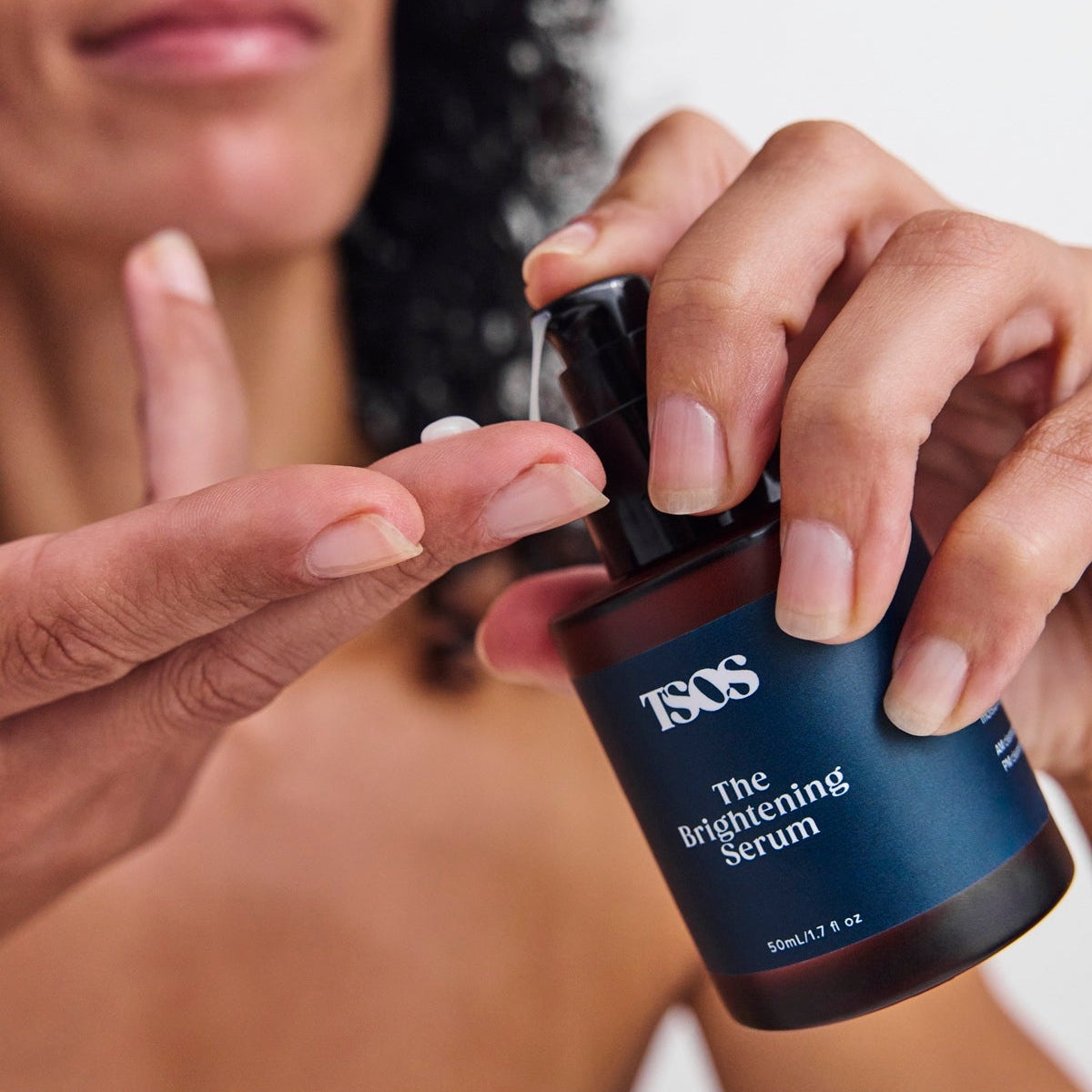
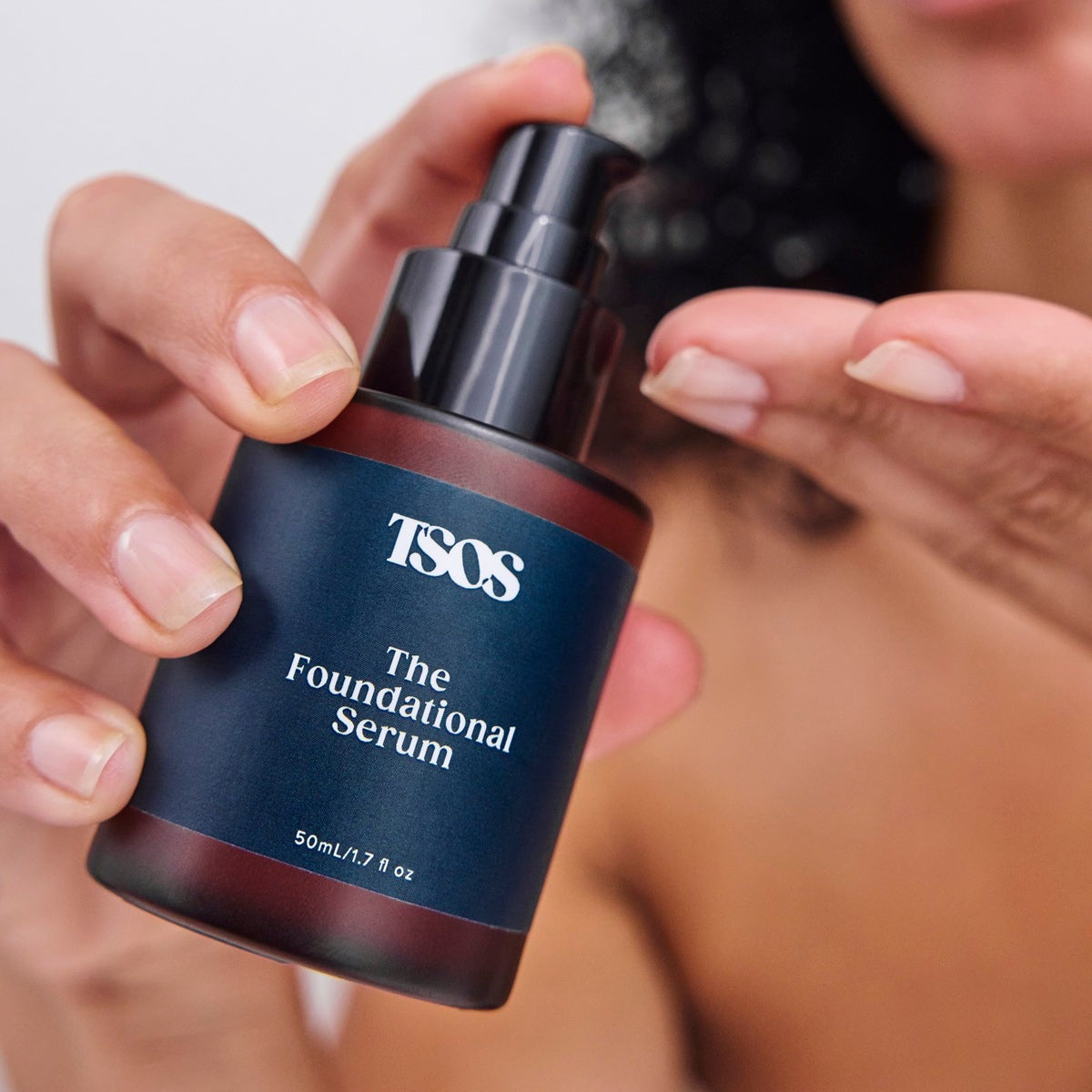
A barrier-first routine can help keep the skin comfortable, hydrated, and more resilient while you work through hormonal change. It cannot control your hormones, and it is not a substitute for medical care, but it can support the skin environment while your body adjusts.
Reviewed by Connor Greig, P.Chem
Professional Chemist and Founder, TSOS Skincare
Sources
Smith CA, Gosnell E, Karatas TB, Deitelzweig C, Collins EMB, Yeung H. Hormonal Therapies for Acne: A Comprehensive Update for Dermatologists. Dermatol Ther (Heidelb). 2025 Jan;15(1):45-59. doi: 10.1007/s13555-024-01324-8. Epub 2025 Jan 3. PMID: 39751745; PMCID: PMC11785877.
American Academy of Dermatology Association. Stubborn Acne? Hormonal Therapy May Help.
Health Canada. Acne Treatments.
Filoni A, Mariano M, Cameli N. Melasma: How hormones can modulate skin pigmentation. J Cosmet Dermatol. 2019 Apr;18(2):458-463. doi: 10.1111/jocd.12877. Epub 2019 Feb 18. PMID: 30779300.

Leave a comment
This site is protected by hCaptcha and the hCaptcha Privacy Policy and Terms of Service apply.