

What is skin laxity?
When skin starts to look less firm, the conversation almost always moves straight to collagen.
And collagen does matter. So does elastin. So does time.
But skin laxity is not only a structural issue. It is also a barrier issue.
When the skin barrier is depleted, dehydrated, or inflamed, skin can look thinner, looser, duller, and less resilient. Fine lines become more visible. Texture looks less refined. The skin does not hold light the same way. It can feel less “springy,” even before deeper signs of aging become more obvious.
That is why firmer-looking skin does not start with the strongest active ingredient.
It starts with repair.
What Is Skin Laxity?
Skin laxity refers to a visible loss of firmness, bounce, and structure in the skin. It may show up as softness around the cheeks, jawline, eyes, or neck. Skin can look less taut, less lifted, or less smooth than it used to.
Most people connect skin laxity with aging, and that is partly true. Over time, the skin naturally produces less collagen, elastin, and supporting lipids. UV exposure, inflammation, stress, and environmental damage can accelerate that process.
But there is another layer that often gets overlooked: hydration and barrier function.
A compromised skin barrier cannot hold water efficiently. When the skin loses water too easily, it can look flatter, more creased, and less firm. This does not mean hydration replaces collagen support. It means hydration helps the skin behave more like healthy skin.
Firmness begins with resilience.
The Barrier Connection
Your skin barrier is the outermost protective system of the skin. Its job is to keep essential moisture in and external stressors out.
When the barrier is strong, skin looks smoother, calmer, and more even. It reflects light better. It tolerates active ingredients more easily. It feels comfortable, not tight.
When the barrier is weakened, everything looks more exaggerated.
Dryness looks deeper. Fine lines look sharper. Texture looks rougher. Redness becomes more visible. Skin may feel tight but still look dull, which is one of the most common signs of dehydration.
That tight feeling is not firmness.
It is often a signal that the skin is lacking water, lipids, or both.
Why Dehydrated Skin Can Look Less Firm
Dehydrated skin is skin that lacks water. It can happen to any skin type, including oily skin.
When the skin is properly hydrated, the upper layers appear plumper and more flexible. The surface looks smoother because the skin has enough water to maintain its natural softness and bounce.
When water levels drop, the skin can look slack, creased, or tired. Fine lines from dehydration become more visible, especially around the eyes, mouth, and forehead.
This is why hydration is not just a comfort step. It is a visible aging step.
Hydrated skin looks more alive.
Barrier-supported skin looks more stable.
Together, they create the appearance of smoother, firmer, more resilient skin.
Inflammation Can Make Skin Look Older
Barrier disruption often comes with inflammation, even when it is subtle.
The skin may not look obviously irritated, but it may feel reactive, sting after products, flush easily, or look persistently uneven. Over time, this kind of ongoing stress can make the skin appear more tired and less refined.
Inflammation also makes it harder for the skin to maintain balance. When the barrier is under stress, the skin may lose more water, recover more slowly, and become less tolerant of active ingredients.
This is why a routine focused only on exfoliation, brightening, or firming can sometimes make the skin look worse.
The skin does not need more pressure.
It needs stability.
Why Strong Actives Can Backfire
If skin laxity is your concern, it can be tempting to reach for retinoids, exfoliating acids, peptides, or high-strength vitamin C right away.
Those ingredients can have a place in an aging-focused routine.
But if your barrier is not ready, they can create more irritation than progress.
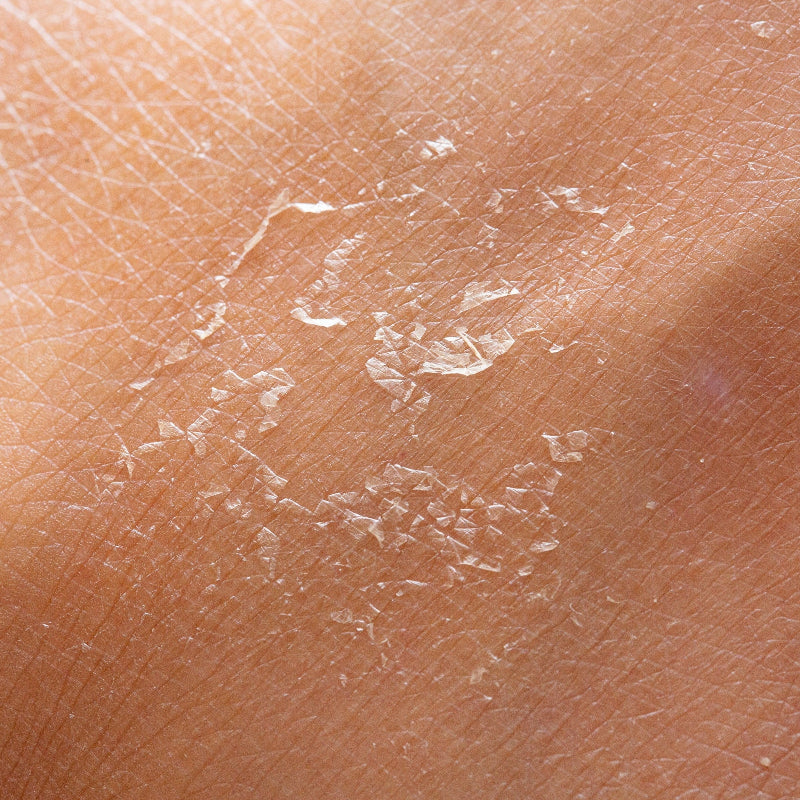
A compromised barrier is more reactive. It is more likely to sting, flush, flake, or feel tight after active ingredients. That irritation can make skin look older, not healthier.
This is the part many routines get wrong.
They chase correction before conditioning.
Active ingredients work best when the skin is prepared for them. That means the skin should feel comfortable, hydrated, and calm before stronger corrective steps are introduced.
Responsive skin starts with comfortable skin.
What Barrier Repair Can Do for Skin Laxity
Barrier repair will not replace collagen. It will not change facial structure. It will not deliver the kind of result associated with in-office procedures.
But it can improve the appearance of skin that looks tired, depleted, or less firm because it is dehydrated and stressed.
A strong barrier helps skin retain hydration more effectively. It supports smoother texture, better comfort, and a more supple appearance. It can also make the skin more tolerant of active ingredients used later in a routine.
That is the foundation for a smarter firming strategy.
Not aggressive. Not stripped. Not overloaded.
Conditioned.
Ingredients That Support Barrier Repair
A barrier-focused routine should include ingredients that help hydrate, replenish, and protect the skin.
Humectants help attract and hold water in the skin. These include glycerin, hyaluronic acid, sodium PCA, sodium lactate, and amino acids.
Emollients help soften the skin and improve surface smoothness. These can include plant oils, esters, squalane, and fatty alcohols.
Barrier lipids help support the skin’s natural protective structure. Ceramides, cholesterol, and fatty acids are especially relevant because they are part of the skin’s own lipid matrix.
Soothing ingredients can help reduce the look and feel of irritation. These may include panthenol, beta-glucan, allantoin, colloidal oat, and certain botanical extracts.
The goal is not to overload the skin with everything at once.
The goal is to rebuild the conditions skin needs to function well.
How to Build a Barrier-First Routine for Skin Laxity
Start with hydration. Skin that lacks water needs humectants that help draw and hold moisture in the upper layers of the skin.
Support the barrier. Look for ingredients that help replenish comfort and reduce the look of dryness, tightness, and irritation.
Add firming ingredients gradually. Peptides, antioxidants, niacinamide, and retinoids can be useful, but they work best when the skin is not already inflamed.
Protect daily. UV exposure is one of the biggest contributors to visible skin aging, including laxity, uneven tone, and loss of firmness. A firming routine without sunscreen is incomplete.
Stay consistent. Barrier repair is not a one-night reset. The skin needs repetition, comfort, and time.
What to Avoid When Skin Feels Loose, Dry, or Reactive
If the skin already feels tight, dry, sensitive, or easily irritated, it may be worth reducing anything that creates unnecessary stress.
That can include over-exfoliation, harsh cleansers, high-strength active ingredients, frequent product switching, or layering too many treatments at once.
More is not always better.
A routine that constantly pushes the skin can keep it in a cycle of irritation. When the barrier never fully recovers, the skin may continue to look dull, rough, and less firm.
Sometimes the most effective step is simplifying.
Cleanse gently. Hydrate well. Moisturize properly. Protect with sunscreen. Let the skin become stable before asking more from it.
The Bottom Line
Skin laxity is complex. It involves collagen, elastin, hydration, inflammation, UV exposure, and time.
But the skin barrier is where the routine should begin.
When the barrier is supported, skin looks calmer. Hydration lasts longer. Fine lines from dehydration appear softer. Texture looks smoother. The complexion feels more resilient.
Firmer-looking skin is not only about stimulation.
It is also about restoration.
Start with the barrier. Then build from there.
Reviewed by Connor Greig, P.Chem
Professional Chemist and Founder, TSOS Skincare
Sources
Rittié L, Fisher GJ. Natural and sun-induced aging of human skin. Cold Spring Harb Perspect Med. 2015 Jan 5;5(1):a015370. doi: 10.1101/cshperspect.a015370. PMID: 25561721; PMCID: PMC4292080.
Green M, Kashetsky N, Feschuk A, Maibach HI. Transepidermal water loss (TEWL): Environment and pollution-A systematic review. Skin Health Dis. 2022 Feb 25;2(2):e104. doi: 10.1002/ski2.104. PMID: 35677917; PMCID: PMC9168018.
Sethi A, Kaur T, Malhotra SK, Gambhir ML. Moisturizers: The Slippery Road. Indian J Dermatol. 2016 May-Jun;61(3):279-87. doi: 10.4103/0019-5154.182427. PMID: 27293248; PMCID: PMC4885180.


Leave a comment
This site is protected by hCaptcha and the hCaptcha Privacy Policy and Terms of Service apply.