

The science of skin[care]
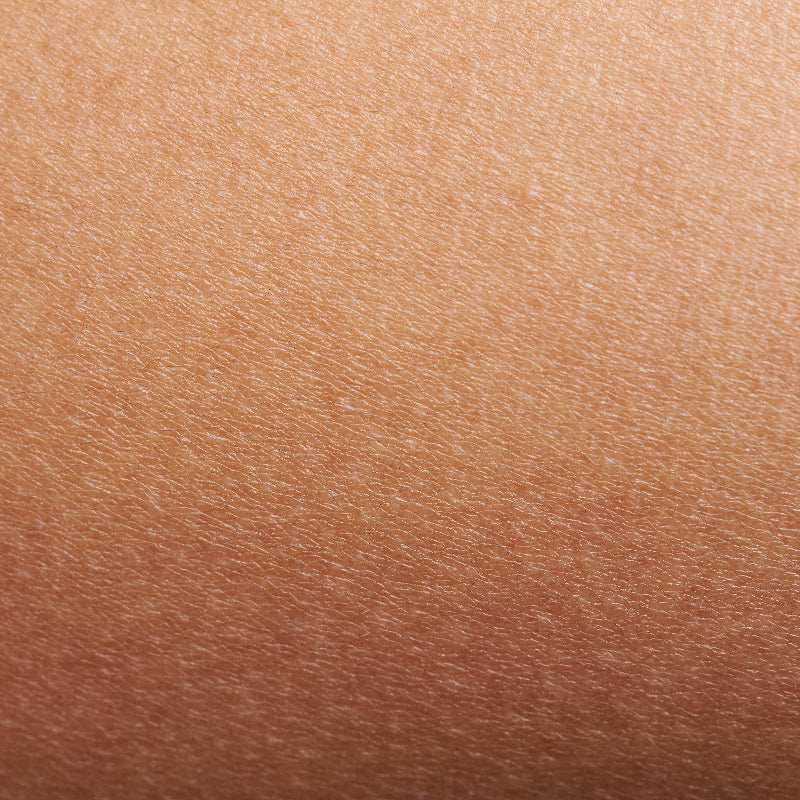
Dull skin is skin that looks tired, flat, uneven, or less radiant than usual. It may look grey, ashy, lacklustre, rough, or less reflective of light. Sometimes dullness is temporary, appearing afte...
Read more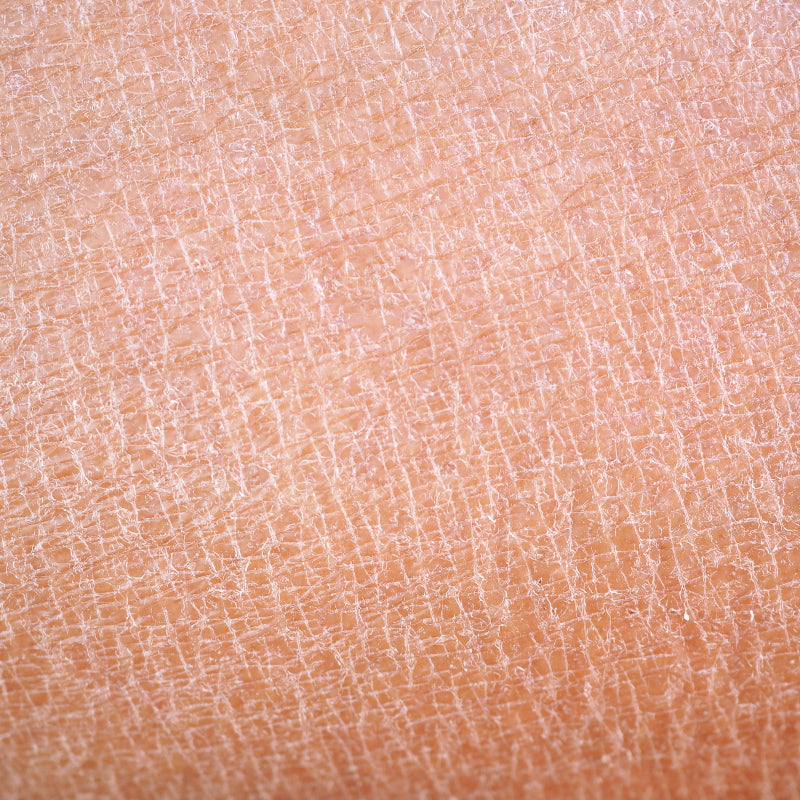
Dry skin is not just skin that needs more moisturizer. It is often a sign that the skin barrier is not holding water the way it should. When the barrier is strong, skin feels soft, calm, and comfor...
Read more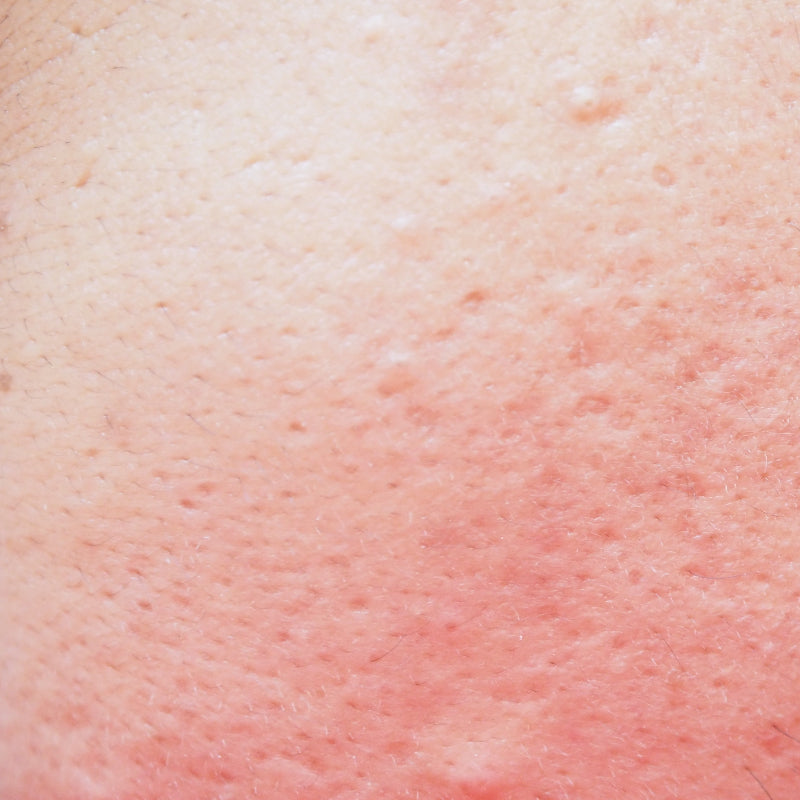
Redness is one of the most common signs that skin is under stress. It can show up as flushing, blotchiness, post-blemish marks, irritation, heat, or a general uneven tone that makes the skin look r...
Read more
The eye area is often where fatigue shows first. Dark circles. Puffiness. Uneven tone. A shadowed look that makes the skin appear more tired than it feels. Because the skin around the eyes ...
Read more
Barrier repair is often talked about through ceramides, and for good reason. Ceramides are essential lipids naturally found in the skin barrier. But ceramides are not the only lipid-related ingredi...
Read more
Brightening skincare is often treated like a race. Stronger acids. Higher percentages. More active ingredients. Faster visible change. But for sensitive or barrier-compromised skin, that approach c...
Read more
What is aminopropyl ascorbyl phosphate?
Vitamin C is one of the most recognized ingredients in skincare, but not every form of vitamin C behaves the same way on sensitive skin. Some forms are highly active, but difficult to stabilize. Ot...
Read more
What is hydrolyzed yeast extract?
Some skincare ingredients are easy to understand at first glance. Hyaluronic acid supports hydration. Ceramides support the barrier. Peptides support firmer-looking skin. Then there are ingredients...
Read moreAt TSOS™, every formula begins with the barrier. Your skin barrier is the outermost layer of your skin, and one of its most important roles is to help keep essential moisture in and environmental s...
Read more
Peptides are often described as “anti-aging” ingredients, but that description does not fully explain why they matter. In skincare, peptides are used to support skin that looks firmer, smoother, mo...
Read more