

The science of skin[care]
How To Build A Skincare Regimen
A good skincare regimen does not need to be complicated. In fact, for many people — especially those with sensitive, dry, reactive, or easily overwhelmed skin — the most effective routine is often ...
Read more
Sensitive skin is often described as skin that feels easily overwhelmed. It may sting after applying a product. It may flush when the weather changes. It may feel tight after cleansing, itchy after...
Read more
What happens to my skin when I go on or off birth control?
Skin can change when your hormones change. For some people, starting hormonal birth control leads to clearer, calmer-looking skin. For others, skin may feel more congested, oily, dry, sensitive, or...
Read more
Some skincare results are felt before they are seen. Skin may feel more comfortable. Less tight. More hydrated. More settled after cleansing. Products may layer more easily. Makeup may sit more smo...
Read more
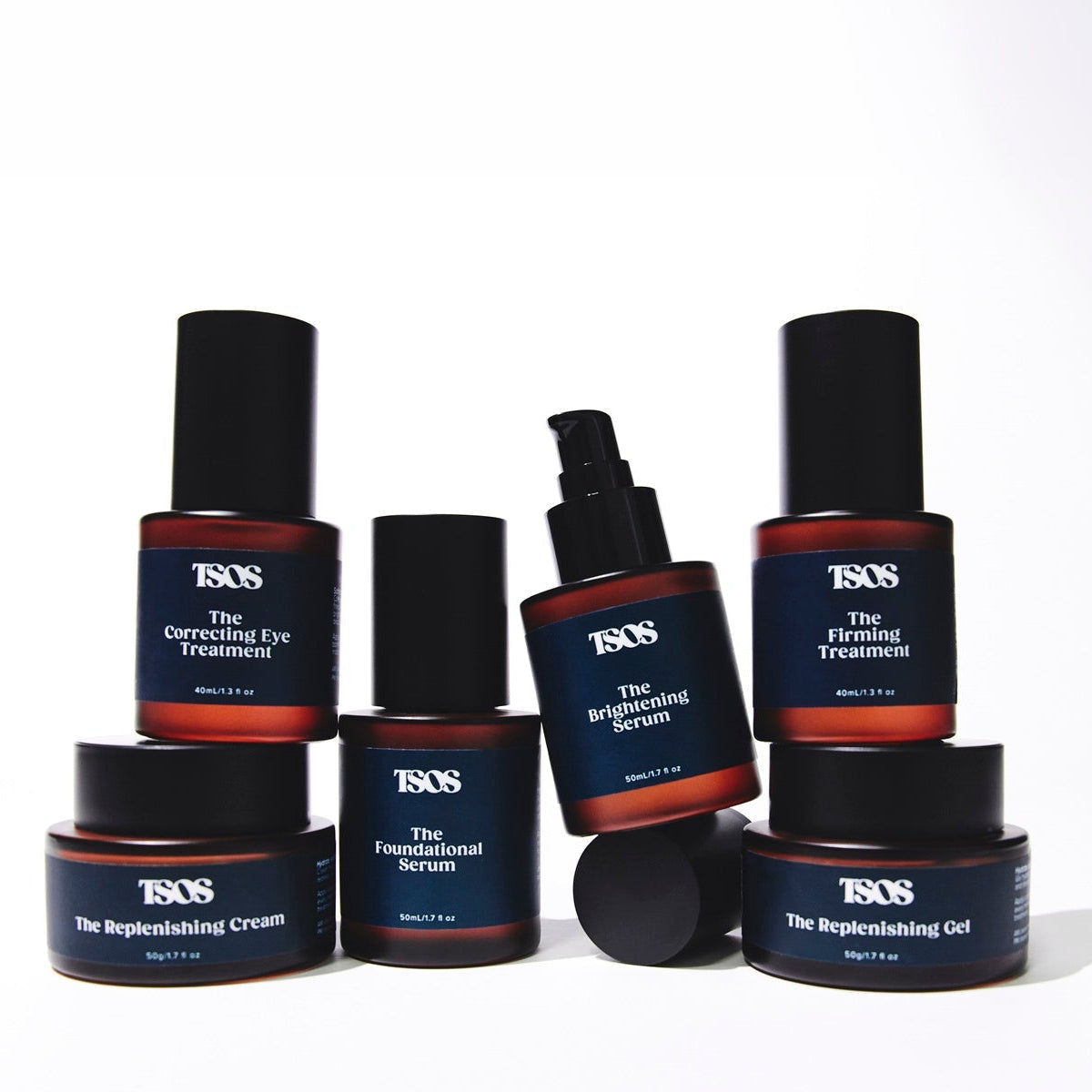
Do I have to use every product in the TSOS™ system?
No. The TSOS™ System was designed to be simple, intentional, and complete, so you never have to keep searching for another serum, treatment, or moisturizer again. But skincare is personal. If your ...
Read more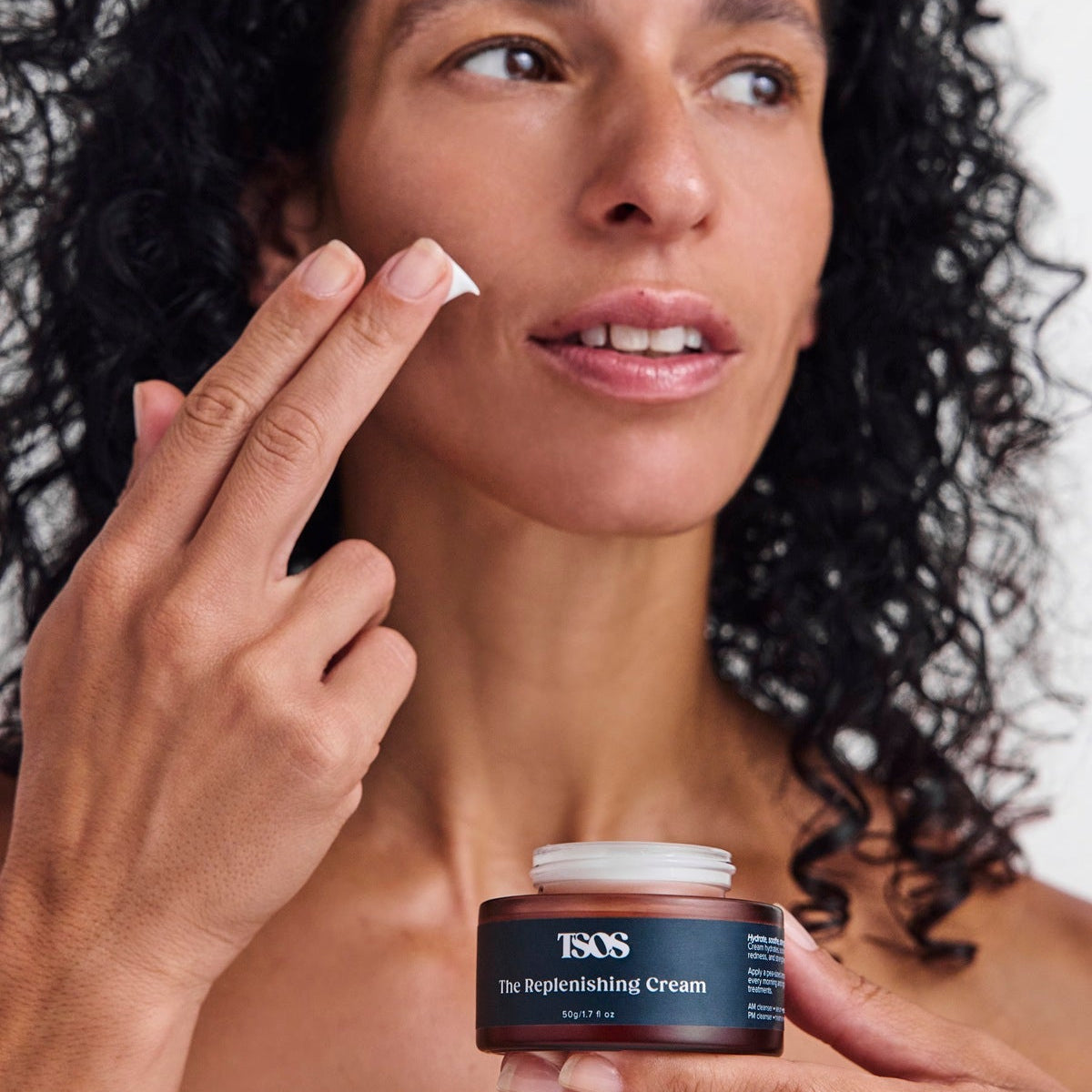
Barrier-disrupted vs. sensitive skin: what's the difference?
Sensitive skin and barrier-disrupted skin are often used like they mean the same thing. They overlap, but they are not identical. Sensitive skin describes skin that tends to react more easily. Barr...
Read more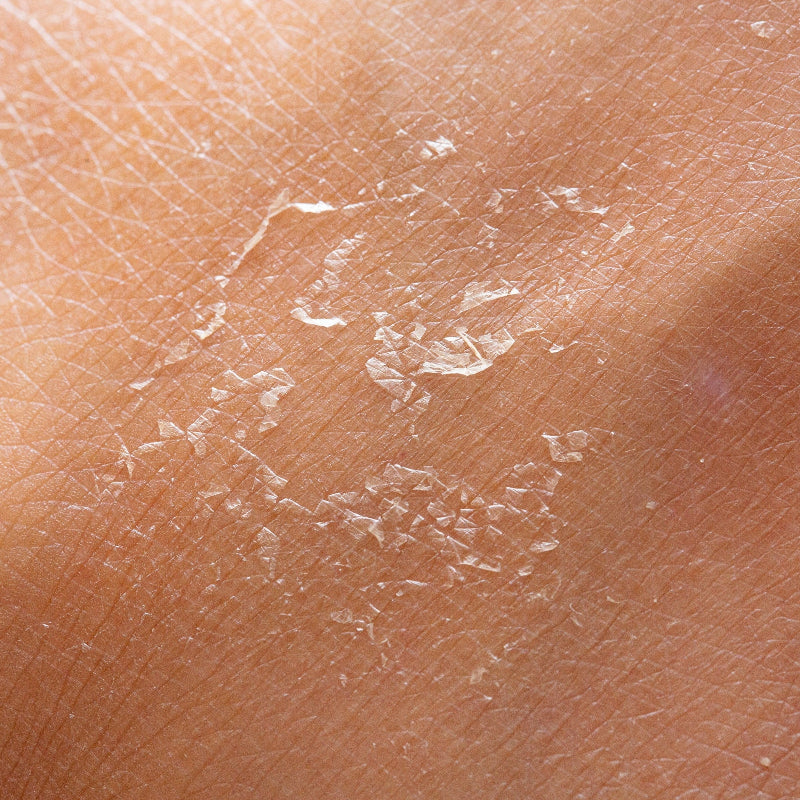
What are the symptoms of barrier-disrupted skin?
Sometimes skin does not feel like itself. It feels tight after cleansing. Products that once felt comfortable suddenly sting. Redness appears more easily. Makeup sits unevenly. Dry patches return n...
Read more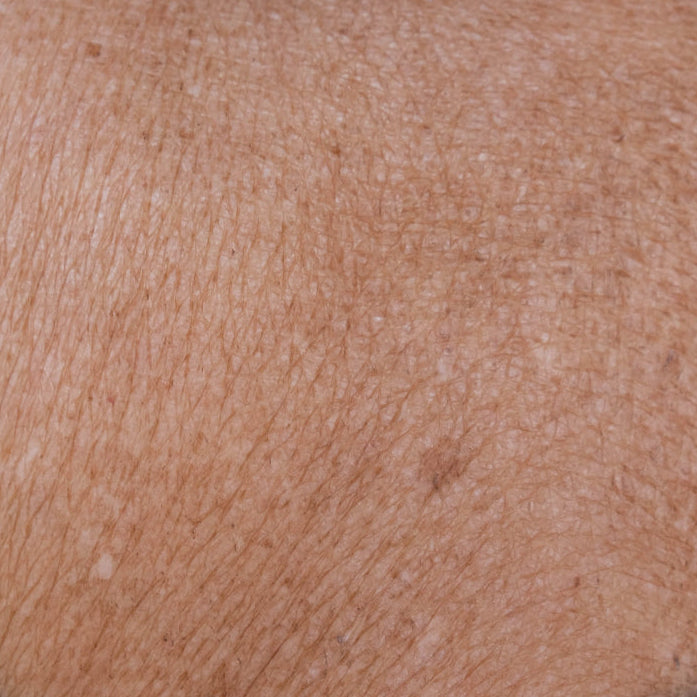
When skin starts to look less firm, the conversation almost always moves straight to collagen. And collagen does matter. So does elastin. So does time. But skin laxity is not only a structural issu...
Read more
Fine lines are one of the earliest visible changes in the skin. They often appear first around areas of repeated movement, like the eyes, forehead, mouth, and between the brows. They can also becom...
Read more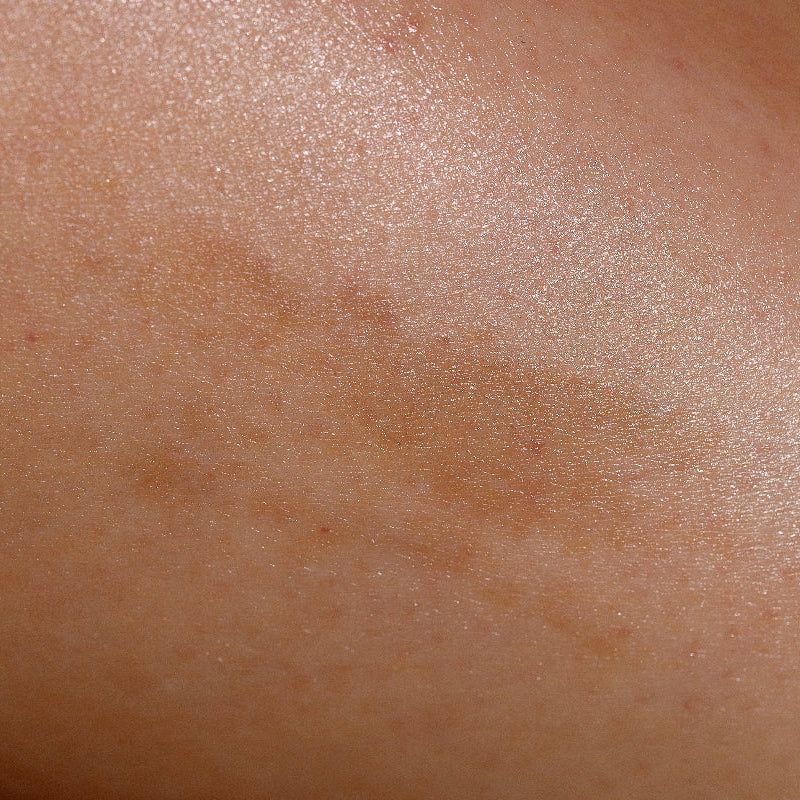
What causes hyperpigmentation?
Hyperpigmentation happens when certain areas of the skin produce or hold onto more pigment than the surrounding skin. That pigment is called melanin. Melanin is made by specialized cells called mel...
Read more